The Future of Smart Home Devices: What to Expect
In today’s fast-paced world, smart devices have become integral to our daily lives, transforming how we interact with technology and each other. From smart home gadgets to wearable tech, these innovations are not just trends; they are reshaping our lifestyles and enhancing our productivity. As we delve into the benefits of these devices, it’s essential to understand their impact on consumer behavior and the market landscape.
The global smart device market has witnessed exponential growth, with a reported increase of 25% in sales over the last two years, reaching a staggering $100 billion in revenue. This surge can be attributed to the increasing demand for convenience and connectivity among consumers. As more households adopt smart technology, the integration of these devices into everyday life becomes more seamless, making them indispensable tools for modern living.
Moreover, the COVID-19 pandemic accelerated the adoption of smart devices as people sought ways to enhance their home environments. With remote work becoming the norm, devices that improve productivity and comfort, such as smart speakers and home automation systems, have seen a significant uptick in popularity. This shift in consumer behavior highlights the growing reliance on technology to facilitate daily tasks and improve quality of life.
Smart devices offer a plethora of benefits that enhance daily life, from improving efficiency to providing entertainment. For instance, smart thermostats can learn user preferences and optimize energy usage, leading to significant savings on utility bills. According to recent studies, households using smart thermostats can save up to 10-15% on heating and cooling costs, demonstrating the financial advantages of adopting such technology.
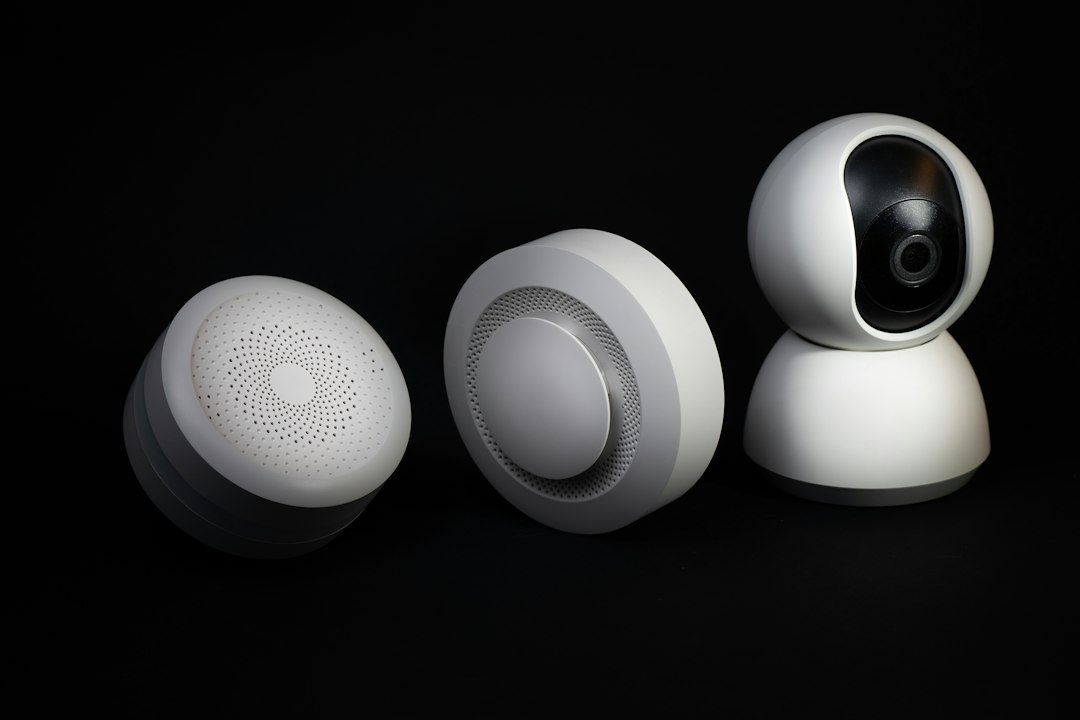
Furthermore, smart home security systems provide peace of mind by allowing users to monitor their homes remotely. With features like motion detection and real-time alerts, these systems empower homeowners to take control of their security. The integration of smart cameras and doorbells has revolutionized home safety, making it easier than ever to keep an eye on one’s property, even from miles away.
Health and wellness have also benefited significantly from the rise of smart devices. Wearable technology, such as fitness trackers and smartwatches, enables individuals to monitor their physical activity, heart rate, and sleep patterns. This data-driven approach to health encourages users to adopt healthier lifestyles and make informed decisions about their well-being. In fact, studies show that individuals who use fitness trackers are 30% more likely to meet their exercise goals compared to those who do not.
Additionally, smart home devices can assist in managing chronic conditions. For example, smart medication dispensers remind users when to take their medications, ensuring adherence to treatment plans. This technology not only improves health outcomes but also reduces the burden on caregivers, allowing them to focus on providing support rather than managing schedules.
Despite the numerous benefits, the adoption of smart devices is not without challenges. Privacy concerns remain a significant issue, as many consumers are wary of how their data is collected and used. A recent survey indicated that 60% of consumers are hesitant to use smart devices due to fears of data breaches and unauthorized access. This highlights the need for manufacturers to prioritize security measures and transparency in their products.
Moreover, the digital divide poses a barrier to widespread adoption. Not all consumers have equal access to technology, which can exacerbate existing inequalities. As smart devices become more prevalent, it is crucial to address these disparities to ensure that everyone can benefit from the advancements in technology.
Key Insight: The rapid growth of the smart device market underscores the importance of innovation in enhancing everyday life, but it also emphasizes the need for responsible practices to protect consumer privacy and ensure equitable access. As we move forward, the challenge will be to balance the benefits of technology with the ethical considerations that come with it.
Navigating tech choices can be overwhelming. We empathize with your struggles and provide tailored solutions to simplify your tech journey.